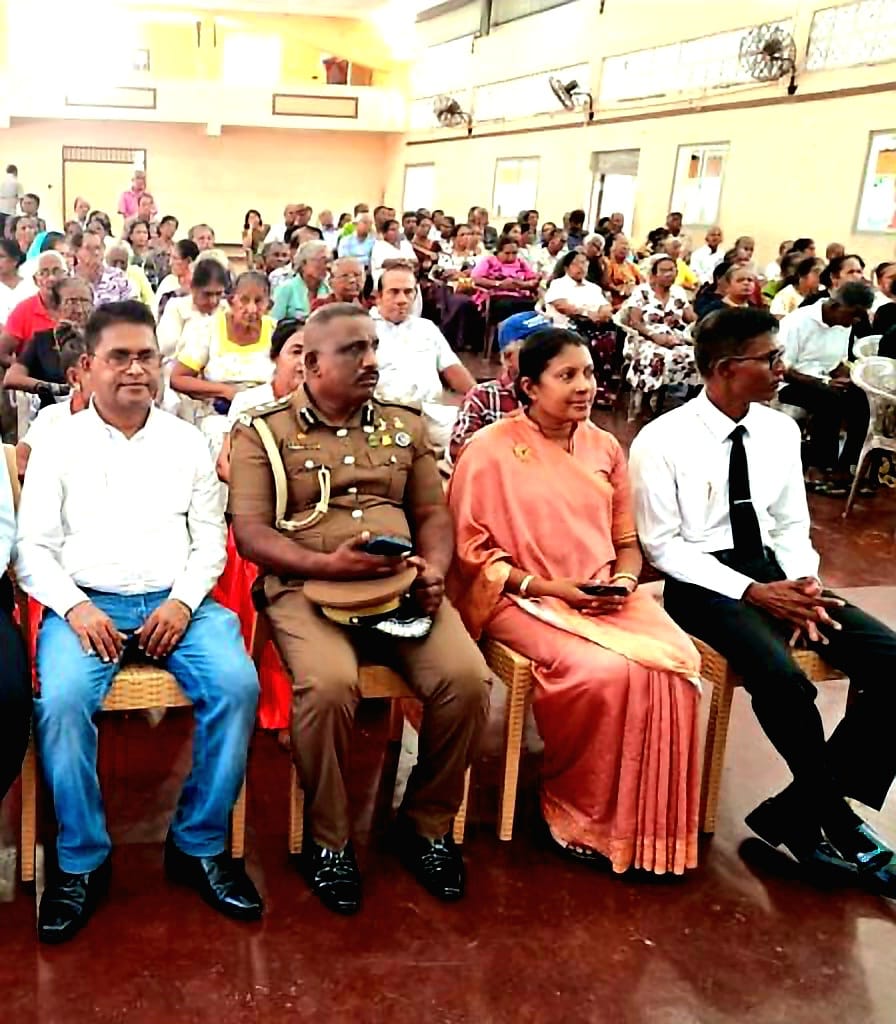
Here is the English translation of the interview with Mr. A. Warnakumara, President of the Negombo Tourist Association (NTA), conducted by the “Meepura” website:
Reviving Negombo’s Tourism: A Conversation with NTA President A. Warnakumara
Years ago, Negombo stood out as one of the most attractive tourist destinations in Sri Lanka for travelers from around the world. However, that status has undergone a drastic shift, and today, the region has largely lost its unique appeal to the majority of foreign tourists visiting the country. To restore this lost attraction and popularize Negombo as a premier tourism hub once again, the current government and various organizations have stepped forward to initiate multiple tourism promotion projects and programs.
Among the organizations dedicated to the tourism industry in the Negombo hub, the Negombo Tourist Association (NTA) is widely recognized as the oldest and most active. We decided to sit down with Mr. A. Warnakumara, the esteemed President of the NTA, to discuss the association, its core responsibilities, and its future aspirations.
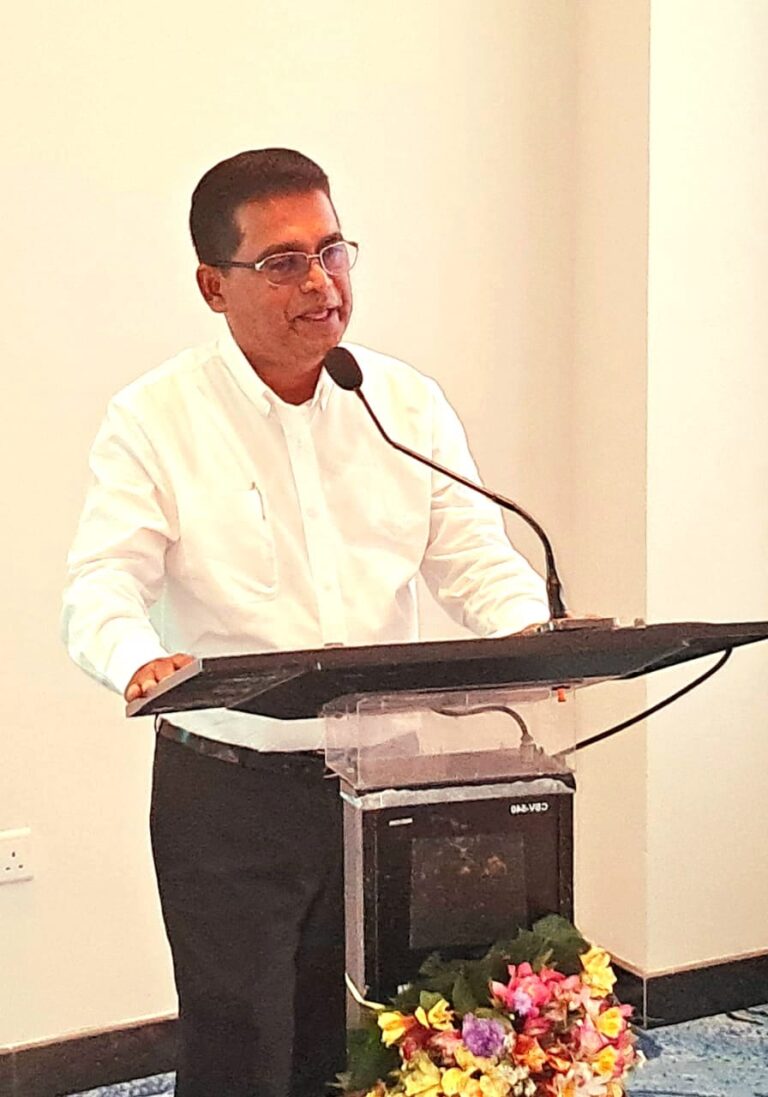
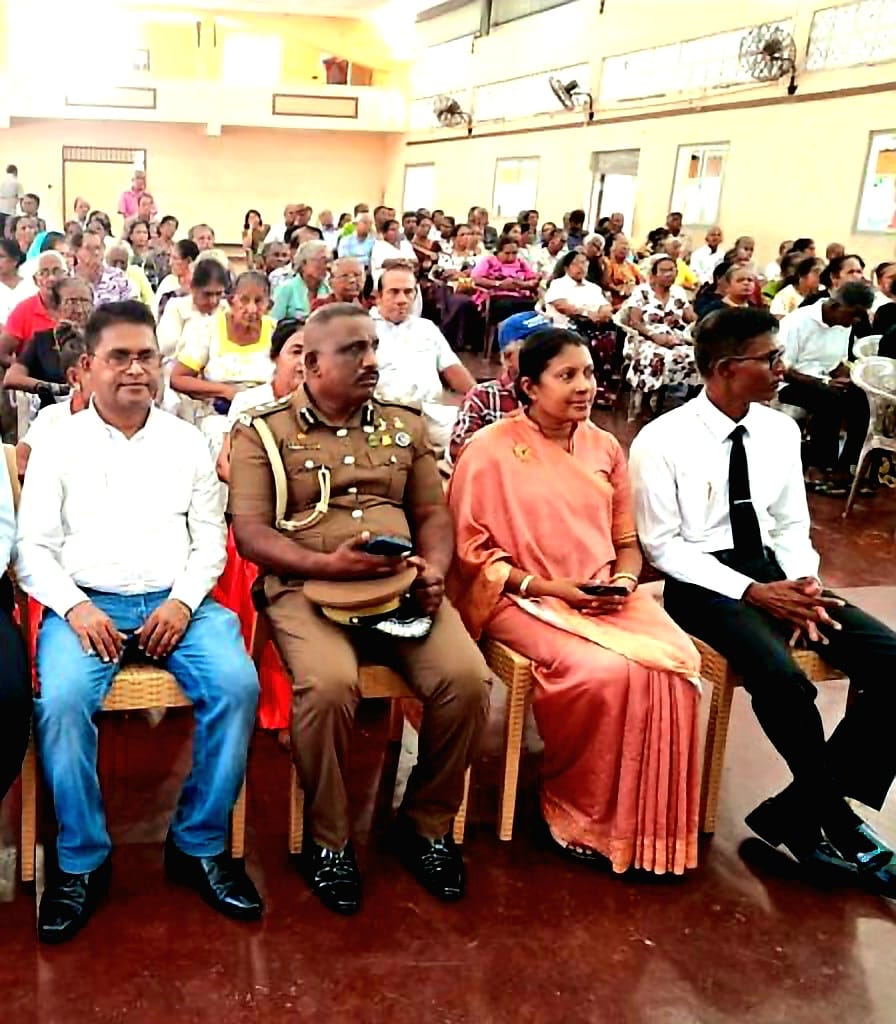
Mr. Warnakumara has been a prominent businessman in the Negombo tourism industry for over a decade and has served as the President of the association for about two and a half years. During his tenure, he has spearheaded numerous initiatives for the betterment of the association and the growth of Negombo’s tourism sector. As a well-known entrepreneur, he also offers a wealth of business experience and insights for aspiring entrepreneurs entering the industry. Below is a summary of the interview conducted by the “Meepura” website.
From Matara to Negombo: Early Life and Background
I heard that you are originally from outside Negombo, yet you are deeply rooted here. Could you briefly share a bit about your background?
Yes, that is true. My hometown is a small village called Eriyatota in Kamburupitiya, Matara. My father was a businessman involved in traditional crops like cinnamon, while my mother was an experienced and mature sewing teacher. However, she didn’t teach for income or a salary; she voluntarily taught sewing and handicrafts to women who lacked jobs and financial resources.
I am the middle child in a family of eight siblings—four brothers and four sisters. I started my schooling at Eriyatota Maha Vidyalaya, then moved to Walasmulla Maha Vidyalaya, and eventually had to come to Negombo for higher education.
Back then, I had good public speaking skills because my mother had trained me well in communication from a young age. During that era, university students used to conduct political classes (the “Five Classes”). I was taken to these classes, and later I had to explain those political concepts to students in villages. As a result of this, I was unfortunately imprisoned in a detention camp for about 17 days, where I faced interrogation and severe physical suffering. That experience was one of the contributing factors that led me to relocate to Negombo.
I came to Negombo when I was around 15 years old. My cousin brother was Rajith G. Dolamulla, a pioneering computer science expert and consultant in Sri Lanka. He started the country’s very first computer school—even before popular computer education institutes like Tech Sri Lanka and IDM.
Upon coming to Negombo, I entered St. Peter’s College, Negombo, where I completed my Ordinary Level (O/L) examinations and stayed on for my Advanced Level (A/L) studies in the Bioscience stream. Our class was very lively, with friends who had a great passion for fun and arts, like Roshan from Sunshine. We lived a very joyful, artistic student life, but we never neglected our education. After taking the A/L examination, I transitioned directly into business.
Today, most people know me as a businessman. I am married, and my wife is a partner in my business ventures. My eldest daughter is a doctor working in Australia, and my youngest son is currently pursuing a degree in Business Management and Business Studies at a university.
Venturing into Business at a Young Age
How did you transition into business while still pursuing your Advanced Level education?
My cousin, the computer science consultant Rajith G. Dolamulla, was once giving computer lessons to the Marketing Manager of Kelani Tyre Corporation and his daughter. Upon completing the course, as a token of appreciation, the manager gave my cousin an authorization letter to run a Kelani Tyre agency in the Negombo area.
In 1985, my cousin started this tyre shop at Koppara Junction, Negombo, handing it over to some other people to run. Since he had a permanent job at the Ministry of Finance as a computer consultant, he had no time to manage it. Unfortunately, the people he entrusted it with failed to run it properly, and they eventually placed a newspaper advertisement to sell it.
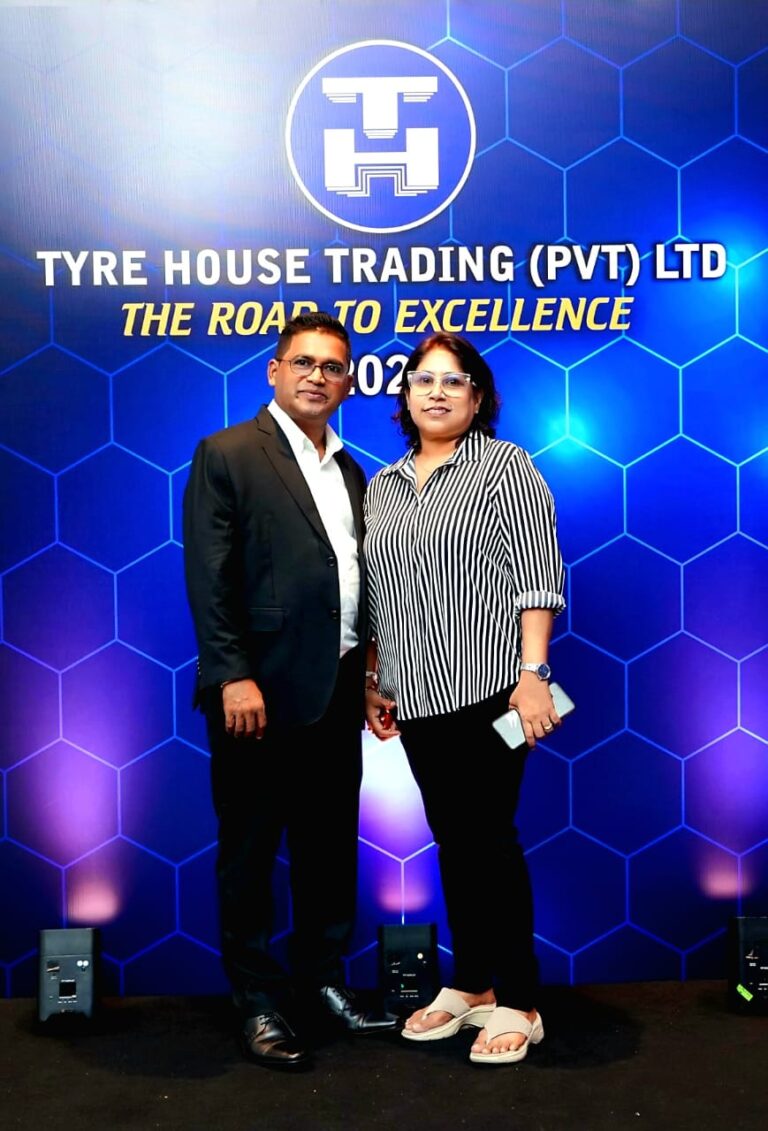
That very day, I happened to visit my cousin’s house due to a fateful coincidence. My brother asked me to look into it. I went to inspect the tyre shop that same day and decided on the spot: “I am going to take over and run this tyre shop.”
Of course, there was a minor concern about how I could manage a business while studying, but I had a firm, unyielding determination to make it work. That marked my very first entry into the business world.
Expanding Horizons and Business Philosophy
How did your business ventures expand further from there?
While running the tyre shop, I partnered with Arunasiri Mudalali, the head of Arunasiri Trading Company, to start a business selling electrical appliances and machinery like power tillers and washing machines. I would wholesale the power tillers and electrical items he imported from the country and transport them to distant agricultural villages like Embilipitiya and Suriyawewa, supplying them to farmers through farmer organizations on an installment basis.
I ensured that the farmer organizations received a profit share similar to mine. That brought me deep satisfaction—knowing that my business was empowering the community and strengthening those farmer organizations. Later, we started selling Jalin motorcycles. By partnering with leading businessmen and popular trading companies in the country, our business operations expanded significantly.
Throughout my business journey, I followed a simple rule: If a partner is working with me, they must benefit just as much as I do. We must also focus heavily on the customer walking through our doors. We must deliver the highest possible service for every rupee they spend, providing extra facilities wherever we can. That is how you stand out and become an indispensable businessman. Customers will seek you out no matter where you are. Service matters far more than just profit margins.
For instance, when customers came to our shop just to pump air into a tyre, they would eventually return to buy new tyres from us. From there, we expanded into selling vehicle batteries, vehicle repairs, and even took up an insurance agency with the Sri Lanka Insurance Corporation. In our very first year, we defeated top insurance giants to win the award for the Best Insurance Agent.
We also ventured into construction and started a Rent-a-Car service. Years before a certain insurance company introduced the “On the Spot” claim system, I had already started a service where if a customer insured with us met with an accident, we immediately provided them with a replacement rental car while getting their damaged vehicle repaired. Word of mouth spread rapidly, and the business grew immensely. Good planning is the key to fast and successful business growth.
The COVID-19 Pandemic and the Hotel-Hospital Initiative
During the COVID-19 pandemic, your name was widely discussed in our country. What was your connection to the pandemic response?
While watching television, I saw people around the world dying in various places after contracting COVID-19, and eventually, a similar situation arose in our country. I thought to myself: In the midst of a national disaster and crisis, what can I do to help?
I spoke with numerous doctors who were willing to treat COVID patients, but I did not own a hospital. That led me to an idea. At that time, due to the lack of tourists and severe losses, there were 21 tourist hotels in the Negombo area that had shut down, unable to even pay employee salaries or electricity bills. I contacted the owners of those 21 hotels, and they readily agreed to my proposal.
We converted those 21 tourist hotels into COVID treatment centers. We provided complete hotel facilities—meals, air-conditioned rooms, and professional medical care under the supervision of doctors—thus safeguarding people’s lives.
This was not done for profit. My daughter was studying to become a doctor at the time, and I wanted to establish a hospital facility for her future, which also inspired this initiative. In the early days, we charged just Rs. 8,000 per day per patient, whereas other private hospitals were charging over Rs. 25,000 daily.
Alongside Western medical treatment, we also integrated traditional Sri Lankan Ayurvedic treatments and leveraged Buddhist philosophy to strengthen patients’ mental well-being. For example, we served drinking water infused with Pirith (protective Buddhist chants). A strong mind heals the body quickly, and I utilized that universal energy for healing.
In the end, not a single patient treated in our facilities passed away—it became a record. We served the country while helping struggling hotel owners earn a good income. Many people expressed their deep gratitude and praise for this work.
Taking Over the Negombo Tourist Association
I heard that although you became a prominent tourism businessman in Negombo later on, you assumed the presidency of the Negombo Tourist Association through a rather accidental turn of events. Is that true?
There is some truth to that. The Negombo Tourist Association was established around 2006, and I became involved in March 2023.
During the COVID-19 pandemic, while many businesses in Negombo collapsed, ours actually flourished. Hearing about this, a bank invited me to share my experiences as a businessman. Present at that event was Mr. Marshall, the then-organizer of the Negombo Tourist Association. He privately approached me and said, “We are facing severe problems and challenges right now. If possible, please help us revive this association with your fresh ideas.”
Initially, I didn’t agree right away. Later, a group visited my home and requested my guidance, leadership, and expertise to reactivate the association, noting how I had successfully supported hotels during the pandemic. After much thought, I accepted the position of President on March 12, 2023. It has been about two and a half years since I took over the role.
Why People Notice Me: Passion and Gratitude
Today, Negombo’s tourism industry has faced a decline, and while state and private institutions are planning revival projects, many senior officials and responsible figures in Negombo say that you are the primary driving force behind these revival efforts. Why do you stand out so much in these endeavors?
It comes down to this: Whatever you do, you must have a genuine desire burning in your heart. My heart tells me that I became a successful businessman because of this village called Negombo. The local community here became the customers of my businesses, allowing me to earn a significant livelihood. Therefore, I feel I owe something back to the people of Negombo. My mother always taught me that we must do good for society.
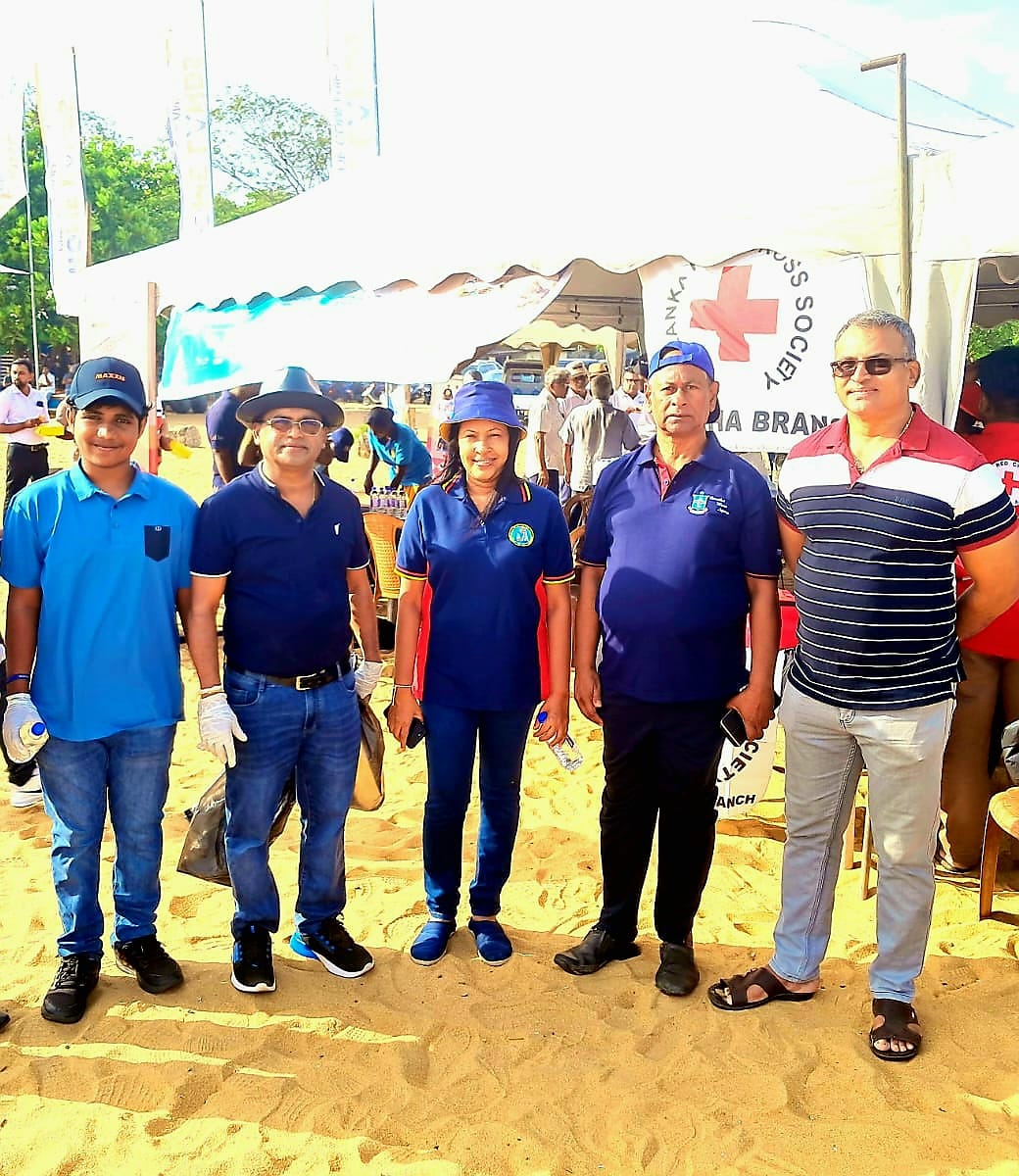
I don’t work with the intention of “standing out,” but when you dedicate yourself with genuine intentions, you naturally stand out among others.
Adapting to Modern Tourism Trends
Tourism trends globally have shifted away from large traditional hotels toward boutique stays, street food, and nature tourism (like Ella, Galle, Nilaveli, and Arugam Bay). Is Negombo prepared for these new trends?
To be honest, many business stakeholders in Negombo were not prepared for this. While destinations like Ella, Galle, and Arugam Bay adapted their tourism sectors to match new trends, Negombo businesses stuck to traditional concrete-and-aluminum hotel setups.
Today’s foreign tourists prefer experiences over mere sightseeing—such as eating local home-cooked food, staying in tree houses, near waterfalls, or by the beach. While hoteliers across Sri Lanka embraced creativity to cater to these trends, Negombo’s hotel sector lagged behind. We were too late to adapt.
However, Negombo is blessed with a historic and scenic beach, a magnificent lagoon, the Hamilton Canal, ancient churches, and the Dutch Fort. With the strong support of the Ministry of Tourism, the Tourism Board, and other state agencies, we have now planned several new projects. I have firm confidence that Negombo will successfully integrate these modern trends moving forward.
Integrating the Fishing Community with Tourism
You have often stated that for Negombo’s tourism industry to succeed, the fishing community must be integrated into it. However, many people in Negombo disagree, arguing that fisheries clash with tourism. Is the fishing industry truly necessary for tourism?
Everything gets distorted when driven purely by “ego”—the me, me, me and my, my, my mentality. As a result, we have sidelined the very people who support and serve us.
You cannot revitalize Negombo’s tourism without the fishing community. They are an innocent community with a unique culture. If we treat them properly and walk together with them, we can build our tourism industry to unprecedented heights. Sidelined fishermen will never cooperate if they view tourism as an enemy, and vice versa.
Proposed Projects for Harmony:
- Establishment of a Model Fishing Village: I proposed setting up a structured fishing village on a large plot of land currently used as a garbage dumping site near Kochchikade (Oruwiyawatta). By combining this with a waste-to-energy recycling plant, we can generate power to run fisheries processing plants (such as dried fish production). This zone would become a foreign exchange earner and a major attraction for tourists interested in observing traditional fishing lifestyles and enjoying authentic seafood cuisine in dedicated restaurants.
- Relocation of Coastal Drying Activities: To keep areas near historic sites (like the Old Rest House) clean and tourist-friendly, traditional practices like fish drying should be systematically relocated to the designated fishing village zone.
- Water Sports & Heritage Restoration: We have proposed water sports complexes in the Negombo Lagoon, cleaning up the Hamilton Canal for eco-friendly boat rides with shops along the banks, and securing a permanent building for the Tourist Police to enhance safety, alongside increasing the number of lifeguards on beaches.
The Power of Unity
In conclusion, you frequently emphasize unity. Why is unity so important to you?
Unity is paramount for everything. We may have different opinions, but if our ultimate goal is the same, achieving it is not difficult. As the Sinhala saying goes: “Minimutu, Gajamutu, Paradana Ekamutu” (Unity surpasses even gems and pearls).
If the political authority, state officials, civil organizations, senior citizens, civil society, and the fishing community all work together hand-in-hand, Negombo can easily be transformed into a thriving, developed tourist hub. That is my personal prayer and vision, and I hope it is realized very soon.
If you would like to explore specific segments further or need additional context from this interview, please let me know!